
Managing Children's Holiday Anxiety: Practical Tips For Parents
- Team Shine
- Dec 8, 2025
- 4 min read
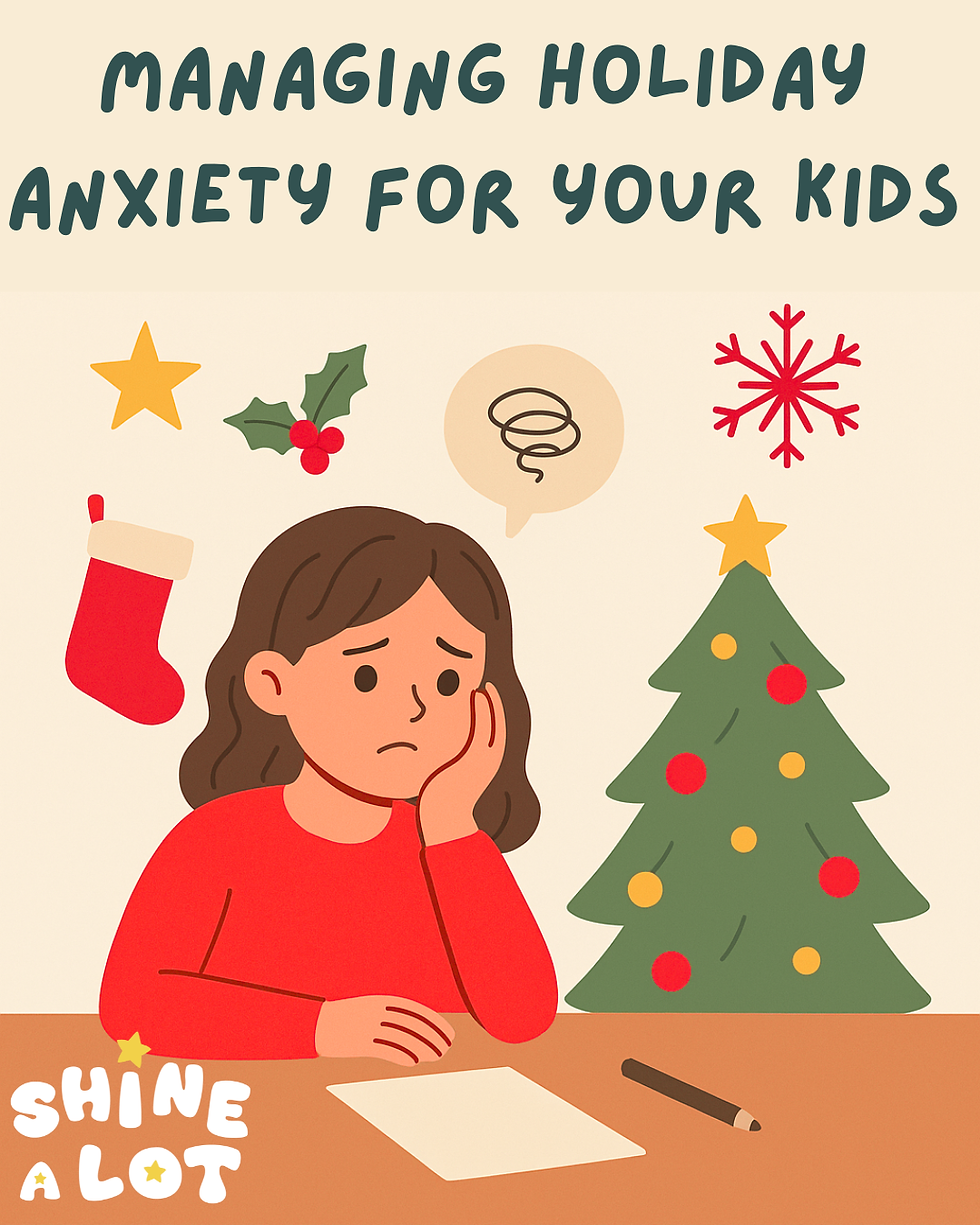
The holiday season is often portrayed as the most wonderful time of the year, filled with joy, laughter, and family togetherness. But for many children, the disruptions to routine, heightened expectations, and sensory overload can trigger significant anxiety. As parents, recognizing and addressing these feelings is essential to helping your child not just survive the holidays, but truly enjoy them.
Holidays Can Be Stressful For Children
While adults may feel stressed about finances, hosting responsibilities, or family dynamics, children experience holiday anxiety differently. Changes to their daily routines, late bedtimes, rich foods, and the constant stimulation of lights, sounds, and activities can overwhelm their developing nervous systems. Additionally, the anticipation and excitement surrounding gifts and events can create an emotional intensity that is difficult for young minds to regulate.
School breaks, while welcomed, also remove the structure that many children rely on. Social expectations increase as families gather, sometimes with relatives children don't see often or may feel uncomfortable around. For sensitive children or those with anxiety disorders, these factors can compound quickly, leading to meltdowns, withdrawn behavior, or physical symptoms like stomachaches and headaches.
Recognizing Signs Of Holiday Anxiety
Children do not always have the vocabulary or self-awareness to say "I'm feeling anxious." Instead, they might show their stress through behavioral changes. Watch for increased clinginess, irritability, or defiance. Sleep disruptions, changes in appetite, and regression to younger behaviors (like thumb-sucking or baby talk) are common indicators. Some children become hyperactive or have difficulty concentrating, while others may withdraw or complain of unexplained physical ailments.Older children and teens might express their anxiety through mood swings, social withdrawal, or increased conflict with siblings and parents.
Paying attention to these signals allows you to intervene early, before stress escalates into a full-blown crisis.
Practical Strategies For Managing Holiday Anxiety
Maintain Core Routines
While some schedule flexibility is inevitable during the holidays, protect your child's most important routines. Keep bedtimes and wake times as consistent as possible. Maintain regular meal times, even if the menu changes for special occasions. If your child has a calming bedtime ritual, do not skip it, even when staying with relatives or hosting guests.
Routine provides a sense of safety and predictability that helps children feel grounded amid the chaos. When everything else feels uncertain or exciting, knowing that bedtime still includes story time or that breakfast happens at the same time creates valuable anchors.
Create Downtime
Build quiet, unscheduled time into your holiday calendar. Between parties, shopping trips, and special events, children need periods of low-stimulation rest. This might mean a quiet morning at home in pajamas, time for reading or independent play, or simply permission to retreat to their room when gatherings become overwhelming.
Resist the urge to fill every moment with activity. Boredom is not something to fear; it is an opportunity for children to decompress and self-regulate. Honoring your child's need for downtime teaches them the valuable skill of recognizing and respecting their own limits.
Prepare Children for Changes and Events
Uncertainty amplifies anxiety. Talk with your children about upcoming plans, who will be there, what will happen, and what is expected of them. For younger children, visual schedules or calendars can help them understand the flow of events. For children with social anxiety, role-playing conversations or greetings can build confidence.
Be honest about changes to routine, but frame them positively while acknowledging any concerns. "We're sleeping at Grandma's house tomorrow night. I know it’s different from home, but we're bringing your special blanket, and we'll still read stories before bed."
Manage Expectations
The commercialization of holidays can create unrealistic expectations for both parents and children. Movies, advertisements, and social media present an idealized version of holiday perfection that's impossible to achieve. Have honest conversations with your children about what to expect and help them understand that not everything will be perfect, and that is okay.
If you are navigating financial limitations, co-parenting challenges, or family conflicts, age-appropriate honesty helps children understand why this holiday season might look different from what they have imagined. Focus on connection and meaning rather than material abundance.
Encourage Physical Activity
Exercise is a powerful anxiety reducer. Make time for active play, outdoor activities, or family walks. Physical movement helps children burn off nervous energy, regulates mood, and improves sleep quality. Even 20-30 minutes of vigorous play can make a significant difference in a child's emotional state.
During gatherings, encourage outdoor play or create active indoor games that give children an outlet for pent-up energy. This is especially important when children are expected to sit still through long meals or adult-centered activities.
Practice Calming Techniques Together
Teach your children simple strategies they can use when anxiety rises. Explore our blogs to learn about relaxation techniques such as deep breathing exercises, meditation and guided imagery. Practice these skills during calm moments so they are available when stress hits.
Create a "calm-down kit" with items like stress balls, coloring books, fidget toys, or calming music that children can access when overwhelmed. Having concrete tools empowers children to manage their own emotions.
Final Thoughts
The holidays should be a time of joy, but that joy does not come automatically. It requires intentional choices that prioritize your child's emotional wellbeing. By maintaining structure, creating space for rest, preparing children for changes, and teaching coping skills, you give your children the tools they need to navigate holiday stress successfully.
Remember, the most meaningful holiday memories are not created by perfect decorations or elaborate gifts. They come from feeling safe, connected, and understood. When you help your child manage anxiety, you are giving them something far more valuable than any present under the tree: the ability to find peace and joy even in challenging circumstances.
Easing holiday stress - one blog at a time!


